
What Is Spinal Decompression Therapy and Who May Benefit?
Living with ongoing back pain can make even the simplest activities feel difficult. Whether you're struggling to sit comfortably at work, enjoy time with family, or get a good night's sleep, persistent spinal discomfort can affect your quality of life.
If you've been researching natural, nonsurgical options for back pain, you may have come across spinal decompression therapy.
Spinal decompression therapy is a treatment approach intended to reduce pressure on spinal structures. Nonsurgical decompression commonly uses controlled traction to gently stretch the spine. Although some patients may experience relief, research findings are mixed, and this treatment isn't appropriate for everyone.
At Balanced Life Chiropractic in Brodheadsville, PA, we believe understanding your options is an important first step toward making informed decisions about your spinal health.
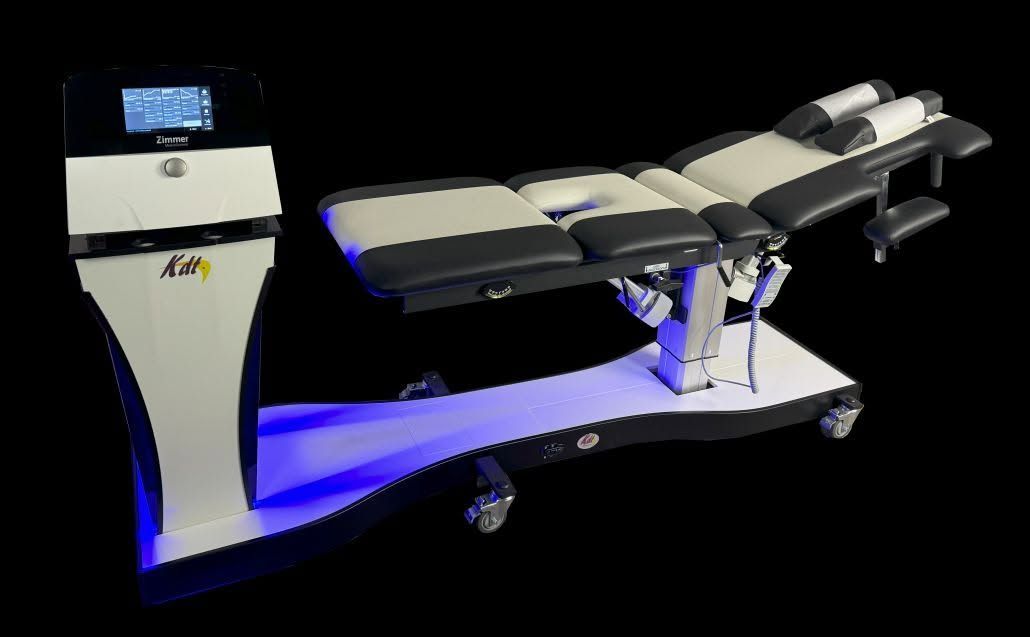
What Is Spinal Decompression Therapy?
Your spine is made up of individual bones called vertebrae. Between most of these bones are intervertebral discs, which help absorb shock and allow your spine to move.
Over time, injuries, repetitive movements, and age-related changes can affect these structures. In some cases, a disc may bulge or herniate, potentially irritating nearby nerves.
Nonsurgical spinal decompression uses a controlled pulling force to stretch the spine. The goal is to temporarily change the mechanical forces acting on spinal structures.
Unlike surgical decompression, which involves an operation to relieve pressure on nerves, nonsurgical decompression does not involve incisions.
According to the Cleveland Clinic's overview of spinal decompression therapy, decompression encompasses several treatment approaches, including nonsurgical methods and surgery.
How Does Nonsurgical Spinal Decompression Work?
Nonsurgical spinal decompression typically involves a specialized treatment table or traction system that applies a measured pulling force to the spine.
Depending on the equipment and treatment approach, a session may involve:
- Positioning: The patient lies comfortably on a treatment table.
- Support: A harness or other support may help position the body.
- Controlled traction: The equipment applies a gentle pulling force to the targeted spinal region.
- Relaxation: The pulling force may alternate with periods of reduced tension.
- Reassessment: The provider monitors the patient's comfort and response.
The exact experience varies by treatment system and individual needs.
Although the treatment is designed to alter pressure within the spine, this does not mean it can reliably reverse a herniated disc, permanently restore disc height, or eliminate nerve compression.
Is Spinal Decompression Painful?
Nonsurgical spinal decompression is generally intended to be comfortable. Some patients notice a stretching sensation, while others may experience temporary soreness.
However, treatment should not cause severe pain or worsening neurological symptoms.
If discomfort increases during a session, the provider should reassess whether treatment is appropriate.
Who Might Consider Spinal Decompression Therapy?
People sometimes explore spinal decompression when they experience persistent back discomfort or have been diagnosed with certain spinal conditions.
Common reasons for asking about decompression include:
Herniated or Bulging Discs
A herniated disc occurs when material from inside a spinal disc pushes through its outer layer. A bulging disc extends beyond its usual boundaries.
These changes do not always cause symptoms. However, when disc material irritates nearby nerves, pain, tingling, or weakness may develop.
Some people with disc-related symptoms explore decompression as a conservative treatment option. Whether it is appropriate depends on the specific diagnosis and clinical findings.
Chronic Lower Back Pain
Chronic lower back pain generally refers to discomfort that continues for more than 12 weeks.
There are many possible causes, including muscle strain, joint problems, disc changes, and other medical conditions.
Because not all back pain comes from spinal compression, decompression is not automatically the right treatment.
For a broader discussion of back discomfort, visit our Back Pain Relief page.
Sciatica and Radiating Leg Pain
Sciatica commonly involves pain that travels from the lower back into the buttock or leg. Some people also experience tingling, numbness, or weakness.
A herniated disc is one possible cause, but other conditions can produce similar symptoms.
Spinal decompression is sometimes considered for disc-related symptoms, although evidence does not establish that it consistently improves sciatica.
If you're experiencing radiating leg pain, read our existing blog, Can a Chiropractor Help With Sciatica?, for more information about symptoms and evaluation.
Age-Related Disc Changes
Spinal discs naturally change as we age. They may lose water content, become less flexible, or develop structural changes.
These findings are common and do not necessarily mean something is wrong.
An evaluation can help determine whether imaging findings are actually related to a person's symptoms.
Does Spinal Decompression Therapy Really Work?
This is one of the most important questions to ask before beginning treatment.
Some individual studies have reported improvements in pain and function following nonsurgical spinal decompression. However, larger evidence reviews have found that mechanical traction often provides little or no additional benefit for people with low back pain.
A 2025 Cochrane review of nonsurgical treatments for low back pain found that traction probably does not reduce pain compared with sham traction for chronic low back pain.
This means spinal decompression should not be presented as a guaranteed solution or a proven replacement for other treatments.
The most appropriate approach depends on the cause of your symptoms, medical history, personal goals, and the available evidence.
Who Should Avoid Spinal Decompression?
Spinal decompression is not suitable for everyone.
Certain conditions may make traction inappropriate or require additional medical clearance, including:
- Recent spinal fractures or significant trauma
- Spinal instability
- Certain spinal tumors or infections
- Severe osteoporosis
- Some previous spinal surgeries or implanted spinal hardware
- Pregnancy, depending on the treatment system and circumstances
- Certain neurological conditions or worsening neurological symptoms
A qualified healthcare professional should review your medical history before recommending treatment.
Seek urgent medical attention if back pain is accompanied by new bladder or bowel dysfunction, numbness around the groin or saddle area, or rapidly progressing leg weakness. These symptoms may indicate a serious condition requiring immediate evaluation.
How Is Spinal Decompression Different From a Chiropractic Adjustment?
Although both approaches may be discussed in the context of spinal care, they are not the same treatment.
Spinal decompression generally uses sustained or intermittent traction to apply a pulling force to the spine.
Chiropractic adjustments involve a clinician applying a controlled force to a joint with the aim of improving movement and addressing certain musculoskeletal symptoms.
These approaches have different techniques, clinical considerations, and evidence bases.
At Balanced Life Chiropractic, our focus is on understanding each patient's concerns and developing an individualized approach to chiropractic care.
What Should You Ask Before Starting Spinal Decompression?
Before committing to a treatment plan, consider asking your provider:
- What is the likely cause of my symptoms?
- Why is decompression being recommended for my condition?
- What benefits are realistic based on current research?
- What are the potential risks?
- Are there other conservative treatment options worth considering?
- How will we evaluate whether treatment is helping?
These questions can help you make an informed decision rather than choosing treatment based on promises of quick or permanent relief.
Supporting Your Spine Beyond Treatment
Regardless of whether spinal decompression is appropriate, everyday habits can play an important role in maintaining comfort and mobility.
Helpful strategies may include:
- Stay active within your abilities. Gentle walking and comfortable movement can help prevent unnecessary stiffness.
- Build strength gradually. Appropriate exercises can improve muscular support and physical function.
- Change positions regularly. If you spend long periods sitting, take breaks to stand, walk, and move.
- Pay attention to lifting habits. Keep objects close to your body, avoid sudden twisting, and use assistance when needed.
- Seek evaluation for persistent symptoms. Pain that continues, worsens, or interferes with daily activities deserves professional attention.
A personalized plan may include education, activity modification, appropriate exercise, and other treatments based on your individual needs.
Understanding Your Spinal Health in Brodheadsville, PA
You don't have to wait until back discomfort begins interfering with every part of your day to seek professional guidance.
At Balanced Life Chiropractic, we take time to understand your concerns and evaluate your spinal health. Our goal is to help patients make informed decisions about their care and work toward better movement, comfort, and overall wellness.
Whether you're dealing with recurring stiffness, ongoing back discomfort, or questions about your treatment options, we're here to help you understand the next steps.
Learn more about what to expect at Balanced Life Chiropractic before your first visit.
Is spinal decompression the same as surgery?
No. Nonsurgical spinal decompression generally uses controlled traction. Surgical decompression involves an operation to relieve pressure on spinal nerves or other structures.
Can spinal decompression fix a herniated disc?
Spinal decompression cannot be guaranteed to repair a herniated disc. Some patients may experience symptom improvement, but evidence is insufficient to promise structural correction or permanent relief.
How many spinal decompression sessions will I need?
There is no universal treatment schedule. The appropriate approach depends on the diagnosis, medical history, response to treatment, and clinical recommendations.
Is spinal decompression safe for everyone?
No. Certain medical conditions, spinal injuries, and neurological symptoms may make decompression inappropriate. A professional evaluation is important before starting treatment.
Where can I get help with back pain in Brodheadsville, PA?
Balanced Life Chiropractic provides individualized chiropractic evaluations and care at 134 Pilgrim Way in Brodheadsville, Pennsylvania. Contact the office to discuss your symptoms and available services.
Take the Next Step Toward Better Spinal Health
If back pain is limiting your activities or leaving you unsure about your options, a professional evaluation can help you better understand what may be contributing to your discomfort.
At Balanced Life Chiropractic, we believe care should begin with understanding your needs and finding an approach that makes sense for you.