
Learn how chiropractic care may help with sciatica, common symptoms and causes, and when to seek care in Brodheadsville, PA.

Learn seven common signs you should see a chiropractor after a car accident, including whiplash, headaches, back pain, and more. Schedule an evaluation today.

Learn seven common signs it may be time to visit a chiropractor and discover how personalized chiropractic care can support your health.

Almost everyone has done it at some point. Your neck feels stiff, tight, or heavily restricted from sitting at a desk all day, so you tilt your head to one side and pull sharply until you hear a loud, familiar pop. For a brief moment, the localized tension seems to vanish, and your cervical spine feels instantly looser and more flexible. The problem is that this temporary window of relief does not mean the underlying biomechanical issue has been corrected. Many people develop a daily habit of self-cracking your neck , operating under the false impression that they are safely replicating a chiropractic adjustment at home. In reality, repeatedly forcing your cervical joints to snap can create progressive structural vulnerabilities that actually worsen chronic stiffness, spinal instability, and musculoskeletal discomfort over time.
Learn how to address the root cause of lower back pain with chiropractic care and long-term relief strategies.
Learn how postural analysis helps fix tech neck and desk slouch with simple corrections, stretches, and chiropractic care.
Discover how chiropractic care supports better sleep by reducing pain, regulating the nervous system, and improving spinal alignment naturally.
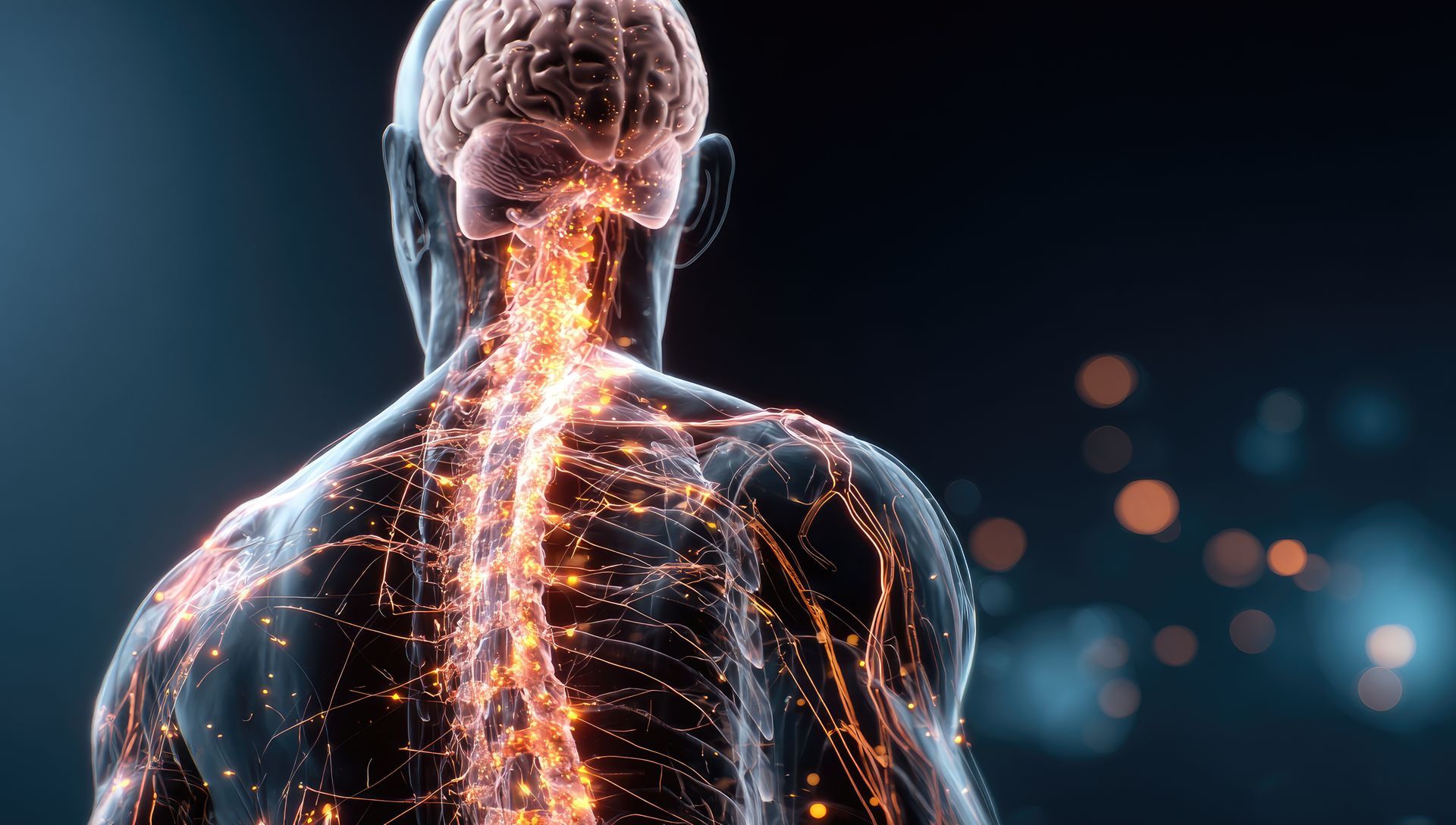
Learn how chiropractic care helps regulate the autonomic nervous system by improving spinal alignment and supporting stress, digestion, and recovery.
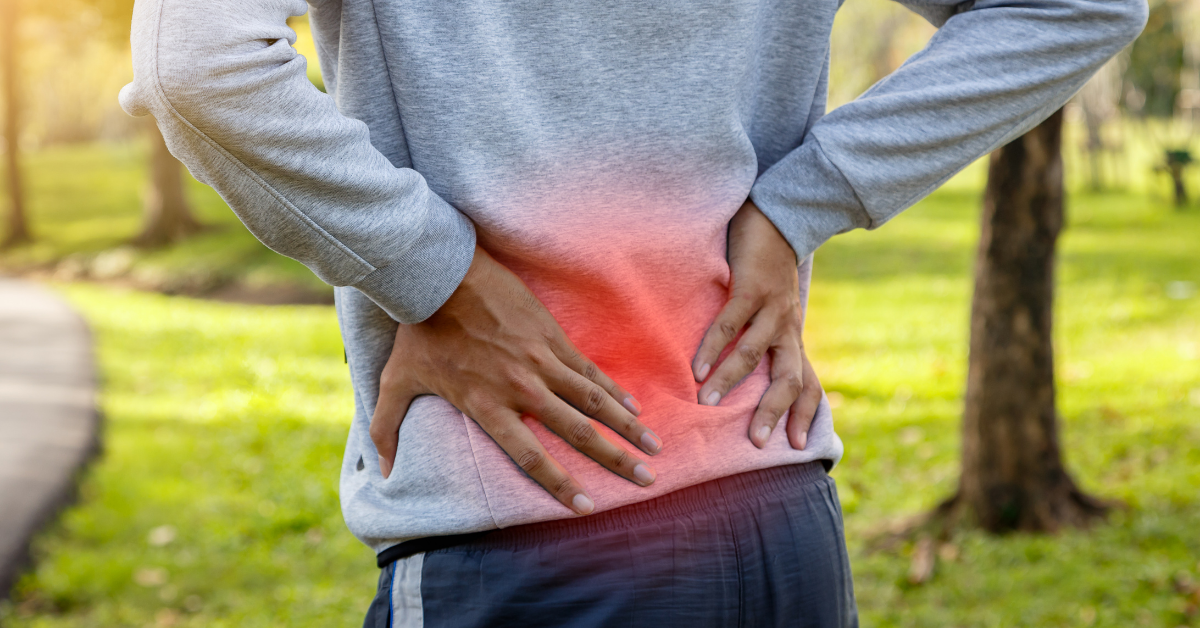
A recent study conducted dove into the lasting effects many military personnel experience during and after actively serving our Armed Forces. When looking at a diverse demographic of males, females, and many different ethnicities one thing in common for nearly all (86%): they suffered from lower back pain.